Discover the history, resurgence, and future of tabletop games, exploring various categories and community impacts, with a nod to online integrations like GOWNPG.com.
Exploring the Rich World of Tabletop Games
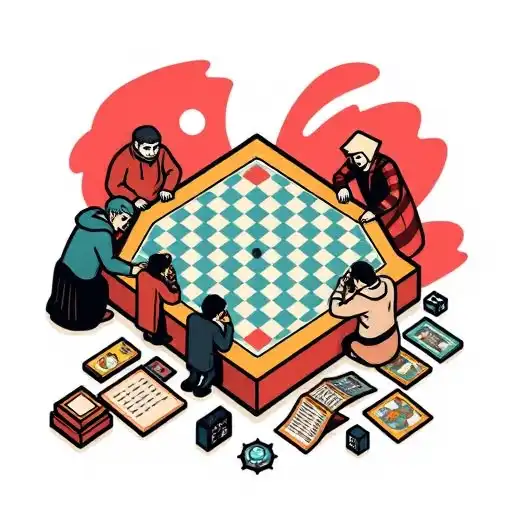
The landscape of gaming has evolved significantly over the years, yet one form remains timeless: tabletop games. These games have been fostering community and friendly competition across generations, connecting people in shared spaces for fun, strategic thinking, and creativity.
The History of Tabletop Games
Tabletop games date back thousands of years, with evidence of board games found in ancient Egyptian and Mesopotamian civilizations. Senet, one of the earliest known games, was played in ancient Egypt and is a testament to the long-standing human fascination with structured play.
Over the centuries, games have evolved from simple race and strategy games into complex systems with elaborate game designs. The 20th century notably saw a boom in tabletop gaming, with classics like Monopoly, Scrabble, and Risk becoming household staples.
The Modern Resurgence
In recent decades, there's been a resurgence in the popularity of tabletop games. This boom can be attributed to several factors, including the rise of the internet, which has allowed for better distribution and marketing. Specialty shops and cafes dedicated to board games have sprung up in urban centers, offering a communal space to play and discover new games.
Categories of Tabletop Games
Tabletop games can be broadly categorized based on their mechanics and objectives. Some popular categories include:
- Strategy Games: Require players to plan and strategize to win. Popular examples include Chess, Go, and Catan.
- Card Games: These games utilize specialized decks of cards. Games like Poker, Magic: The Gathering, and Dominion fall under this category.
- Party Games: Focus on fun and less on complex rules, making them perfect for social gatherings. Charades and Pictionary are classic examples.
- Cooperative Games: Require players to work together against the game’s mechanics. Pandemic and Betrayal at House on the Hill are popular titles.
Each of these categories presents a different way for players to engage with the game and each other, allowing for diverse gaming experiences.
Tabletop Gaming Communities
The popularity of tabletop games has led to the development of vibrant communities. Gamers gather at conventions, meetups, and increasingly participate in digital spaces to share experiences, trade tips, and plan gaming sessions.
Online platforms, including forums and social media groups, have allowed fans to connect and organize games with players from around the world. This has contributed to a more global appreciation and exchange of various gaming cultures and styles.
The Intersection of Tabletop and Online Gaming
The line between traditional and digital gaming has blurred in modern times. With platforms like GOWNPG.com Cassino online licenciado com 2.500+ jogos certificados, bônus R$ 5.000💸, tabletop enthusiasts can explore a new dimension of gaming.
Online platforms not only accommodate classics but also innovate by providing variations and adaptations of popular games, making them accessible to more audiences. This intersection allows for traditional strategies to meet modern conveniences, appealing to a broad spectrum of gamers.
The Role of Tabletop Games in Society
Beyond entertainment, tabletop games have an educational value. They teach critical thinking, numeracy, and social skills. Many games are designed to incorporate thematic elements that can educate players about history, science, and problem-solving.
Tabletop games have also been used in therapeutic settings to assist in cognitive and social development. Organizations and educators recognize their value in building teamwork and understanding complex concepts through interactive play.
The Future of Tabletop Gaming
The future of tabletop gaming looks promising with its steady growth and evolving technology. Innovations in virtual reality and augmented reality will likely integrate into tabletop gaming, offering an immersive experience while retaining the tactile satisfaction of physical components.
As more people find appreciation for both traditional and digital formats, the tabletop gaming industry continues to thrive, ensuring that future generations will enjoy the camaraderie and strategic challenges posed by these beloved games.